

 Written by
Imagine this: you’re working in a lab, fully engrossed in an experiment, when a beaker containing a harsh chemical slips from your grasp. The solution splashes onto your skin and clothes, sending a jolt of panic through you. In these critical moments, having an emergency safety shower readily available can make all the difference. A quick rinse under a deluge of water can prevent serious injury and long-term health problems.
Understanding Emergency Safety Showers
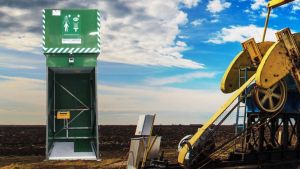
A safety shower is a life-saving piece of equipment designed for immediate flushing of contaminants from the body in case of exposure to hazardous materials. These showers deliver large volumes of tepid water, typically for at least 15 minutes, to effectively wash away chemicals and reduce the risk of burns, irritation, and other health complications.
The Necessity of Safety Showers
Safety showers are crucial in various workplaces, especially those that handle hazardous materials like chemicals, oils, and gasses. They offer a critical first line of defense in emergencies, protecting workers from potential injuries and long-term health effects.
Consider a construction zone where workers might encounter unexpected chemical spills or splashes. Or a manufacturing plant where pressurized containers could leak or burst. In these environments, having a safety shower nearby provides workers with the ability to take immediate action to minimize the severity of an exposure. Even in seemingly less risky environments, such as laboratories or research facilities, accidents can happen. A safety shower ensures workers have a readily available resource to prevent a minor incident from escalating into a serious medical emergency.
Exploring the Different Types of Safety Showers
When choosing a safety shower for an emergency, there are three main categories to consider, each with its advantages:
Self-Contained Safety Showers:
These units are ideal for locations without plumbing or where tepid water is called for. They have built-in water heaters that provide a continuous flow of water for a set time and temperature, typically 5 or 15 minutes. This makes them perfect for any work sites, remote locations, or even specific zones within a larger workplace that may lack a direct water connection.
Mains-Fed Safety Showers:
These permanent showers connect directly to a building’s water supply. They offer a constant flow of water and are suitable for areas with reliable plumbing. Mains-fed showers are often found in laboratories, chemical plants, and other permanent workplaces where there’s a consistent risk of exposure.
Portable Safety Showers:
These lightweight and mobile showers are perfect for temporary work sites or locations where a permanent shower isn’t feasible. They can be either self-contained or mains-fed. Portable showers offer flexibility, allowing for quick deployment in areas where hazards might be present for a limited time.
The Advantages of Implementing Safety Showers
There are several compelling reasons to incorporate safety showers into your workplace safety plan:
Quick and Effective Decontamination:
Emergency showers provide immediate flushing of contaminants from the body, minimizing the risk of burns, irritation, and other health problems. Speed is critical in these situations, and safety showers ensure workers can begin decontamination efforts without delay.
Compliance with Safety Regulations:
Many workplaces are required by law to have safety showers available in areas where there’s a risk of exposure to hazardous materials. Having compliant safety equipment demonstrates your commitment to worker safety and helps you avoid potential fines or legal repercussions.
Peace of Mind:
Having a safety shower readily available provides peace of mind for workers and employers alike. Workers know they have a critical emergency response measure in place, and employers can be confident they’re doing their part to create a safe working environment.
Choosing the Right Safety Shower for Your Needs
The ideal safety shower for your workplace depends on several factors, including:
The types of hazards present:
The specific dangers your workers face will influence the type of safety shower required. For instance, if the primary concern is chemical exposure, tepid water is essential. In contrast, if there’s a risk of burns from hot liquids, a model with a thermostatically controlled water supply might be necessary.
The layout of your workspace:
Consider the physical space available and how it will be utilized. For permanent installations, factors like ease of access and proximity to potential hazard zones are important.
The availability of plumbing:
If you have a reliable water supply, mains-fed showers offer a cost-effective solution. However, for temporary locations or areas lacking plumbing, self-contained models provide a dependable alternative.
The number of workers:
The number of employees in a particular area will determine how many showers you need and their capacity.
Finding the Perfect Safety Shower Solution
For expert advice on choosing the right emergency safety shower for your specific needs, visit Aqua-Safety Showers, a leading UK manufacturer known for its high-quality and reliable safety equipment. We offer a comprehensive range of emergency safety shower solutions to fit any workplace requirement. Browse our extensive selection to find the perfect safety shower to keep you and your colleagues protected. Don’t wait for an accident to happen – prioritize safety today!