

 Written by
 Eyewash stations are lifesavers in the workplace. They provide immediate first aid in case of eye injuries caused by hazardous materials or other harmful substances. Every second counts when dealing with these situations, and a properly functioning eyewash station can minimize damage and prevent serious complications. Studies have shown that using an eyewash station within the first minute of exposure can significantly reduce the risk of permanent vision loss. Eyewash station maintenance is crucial to ensure their functionality in an emergency. Regularly inspecting and maintaining eyewash stations is essential for workplace safety. Eyewash stations are readily available and designed for ease of use, even during moments of panic or confusion. This accessibility can make all the difference in preserving sight.
Even the best eyewash station needs regular care to function effectively. Think of it as an investment in your safety and well-being. Scheduled maintenance helps identify and address minor issues before they turn into major problems. Just like your car needs an oil change, your eyewash station needs maintenance to ensure it’s ready when needed.
Why is Eyewash Station Maintenance Important?
If an eye injury occurs and the eyewash station isn’t working properly, precious time is wasted trying to get help. This can lead to permanent vision loss or other serious health problems. Regular maintenance keeps your eyewash station in top shape, guaranteeing a reliable flow of water to flush contaminants from injured eyes. In contrast, a neglected eyewash station might have clogged nozzles or weak water pressure, hindering the critical first minutes of rinsing. By scheduling regular maintenance, you can ensure your eyewash station functions flawlessly in an emergency, potentially preventing a debilitating injury.
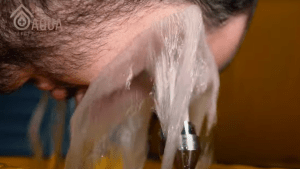
Maintaining Your Eyewash Station: A Two-Step Approach
Eyewash station maintenance involves two key steps: weekly inspections and annual servicing.
Weekly Inspections
This is a quick and easy process you can do yourself. Every week, take a few minutes to visually inspect the eyewash station. Look for any damage, leaks, or blockages around the unit and eyewash bowls. Ensure the signage is clear and unobstructed, allowing for easy identification in an emergency. Then, activate the unit and make sure water flows freely from both eyewash sprays for at least 5 seconds. This weekly flushing also helps prevent stagnant water from building up in the lines, reducing the risk of bacterial growth. If the unit is not in use, run it for 10-20 seconds each month to maintain cleanliness. Remember to keep a log of these inspections, noting the date, any observations, and any corrective actions taken. This log helps maintain warranty coverage and serves as documentation of your commitment to workplace safety.
Annual Servicing
For a more comprehensive checkup, an annual service by a qualified professional is recommended. In addition, the service may identify potential problems before they occur, saving you money on repairs in the long run. This service typically includes a thorough inspection of all components, replacement of any worn parts, and ensuring the unit meets relevant safety standards. By catching minor issues early on, you can prevent costly breakdowns and extend the lifespan of your equipment.
Running the Eyewash Station (if not in use)
Even if there are no emergencies, it’s a good idea to run the eyewash station for 1-3 minutes every month. In addition, briefly activating the eyewash station helps ensure the spray nozzles are functioning properly. This flushes out any stagnant water that might have built up in the lines, preventing mineral build-up and potential clogging. This is especially important if the eyewash station hasn’t been used recently. Just be sure to check beforehand if the unit is plumbed before activating it. Plumbed eyewash stations connect directly to a water supply and can provide a continuous flow for extended use. If the unit is not plumbed, it will have a limited water supply, so activating it for a short test is crucial to ensure it’s functional.
Keeping Your Workplace Safe
By following these simple maintenance steps, you can ensure your eyewash station is always ready to be used. Regularly inspecting and maintaining your eyewash station takes minimal effort but yields significant benefits. It ensures contaminants are flushed away, preventing potential infections, and guarantees sufficient water pressure for effective rinsing. This gives your workers peace of mind knowing they have immediate access to vital first aid equipment in case of an eye injury. Remember, proper eyewash station maintenance is an investment in the safety and well-being of your employees.
Don’t Wait Until It’s Too Late
Get a quote for professional eyewash station maintenance today! Reliable service providers can help you keep your workplace compliant with safety regulations and ensure your workers are protected.